Link: BBC: Ethiopia’s passion for bureaucracy

This story at the BBC, on Ethiopia’s “passion for bureaucracy,” really hits the mark, and can perhaps give a little glimmer into what it is like to work or try to get anything done here.

Keep in mind that, though the writer doesn’t mention it, Ethiopians in general seem to have very little compunction about forgery, and the U. S. Embassy rates Ethiopian visa applicants extremely high in the fraud category. They always come in with all the right stamps, but who knows who actually stamped the damn thing. Bureaucrats will also take their stamps with them as they leave the office, as controlling information and supplies that are necessary to get the mission done is the Ethiopian equivalent of tenure: i. e. “you can’t fire me, because I am the only person who knows all the mission-critical information.”

But hey, you don’t become a bureaucrat in Ethiopia because you are fond of working!
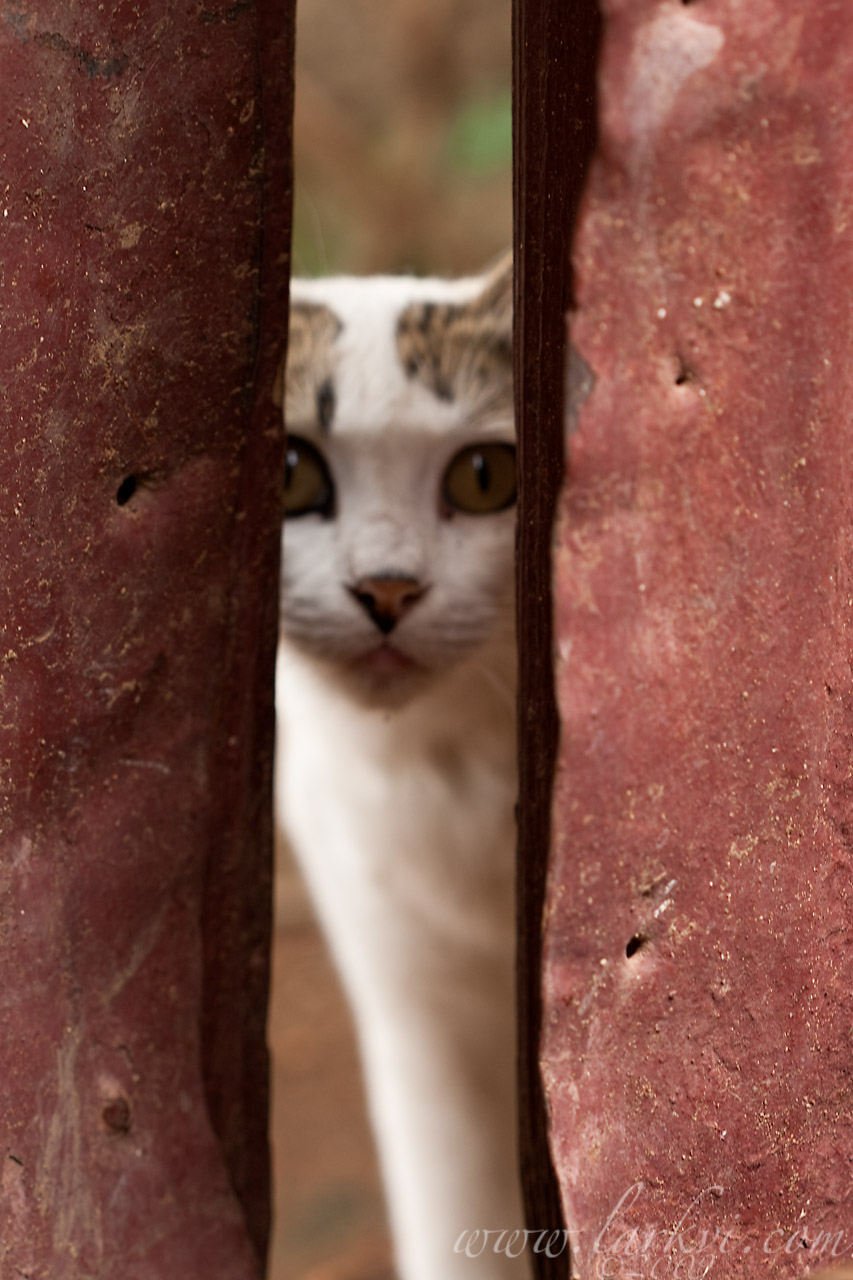
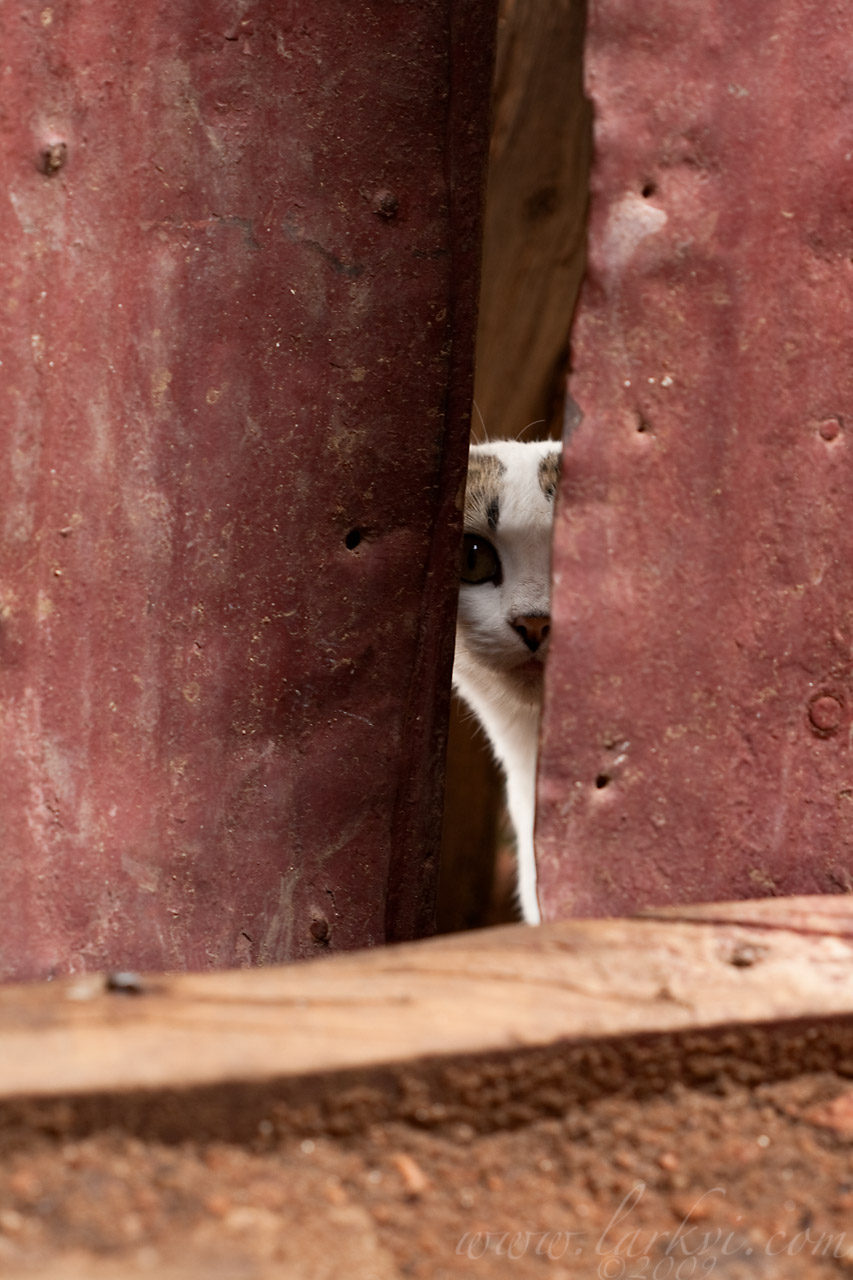
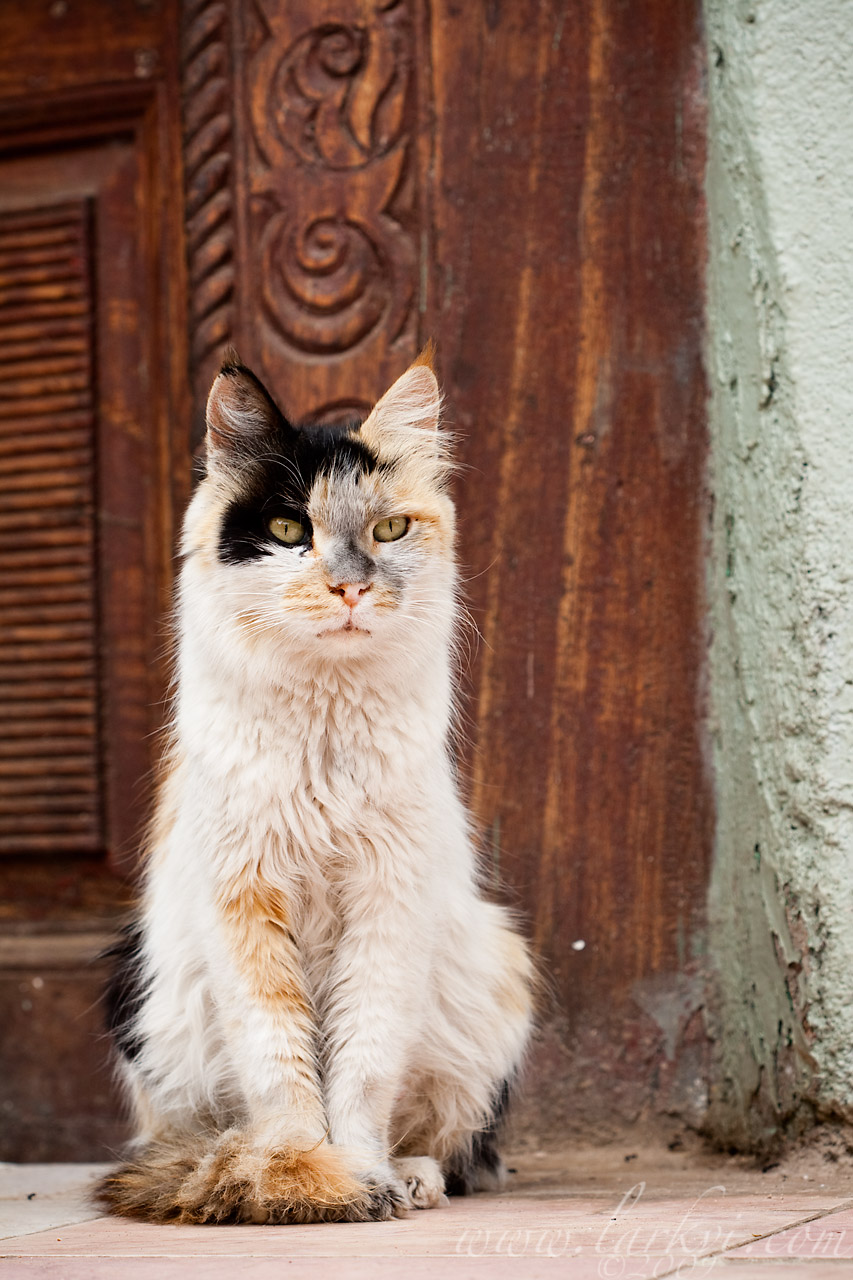
Cat #4, Harar, Ethiopia, July 2009

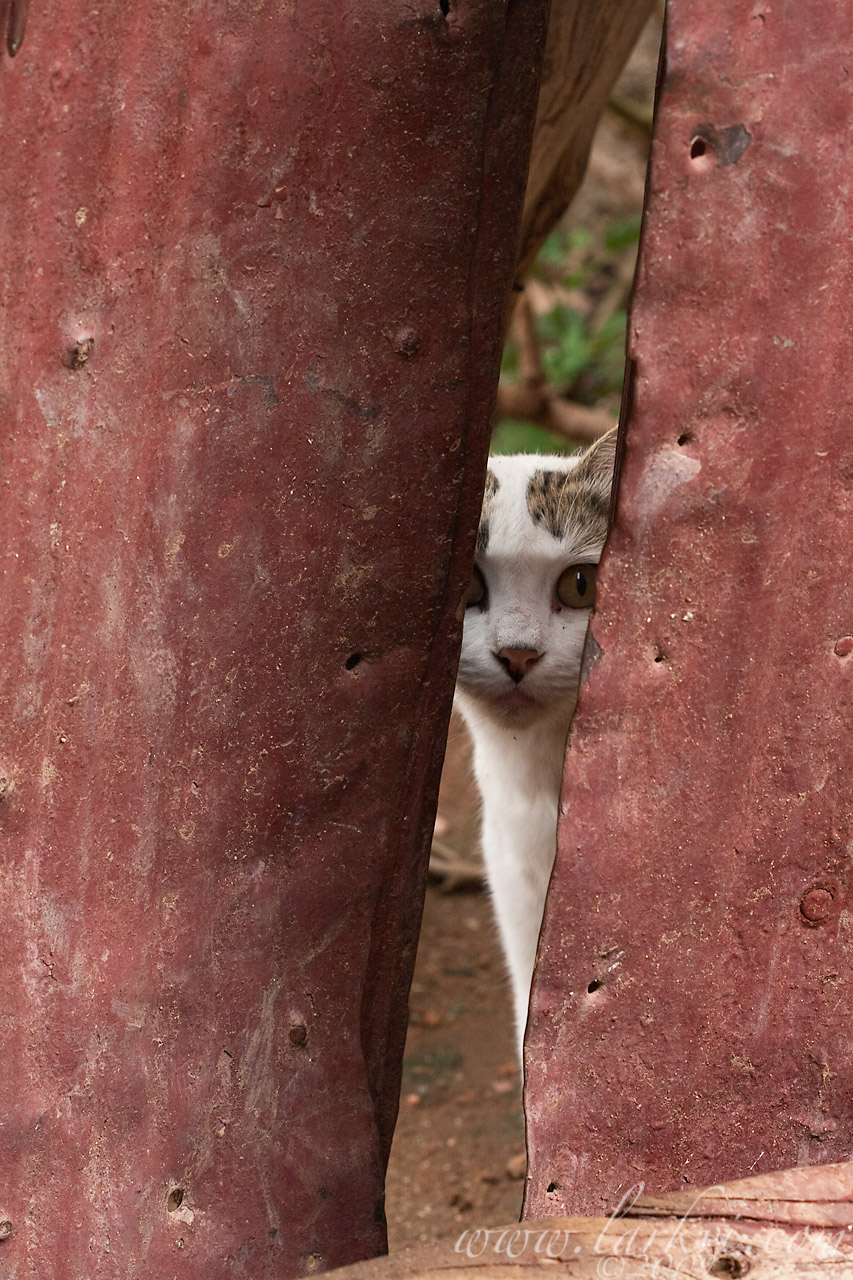
Cat #4(a), Harar, Ethiopia, July 2009

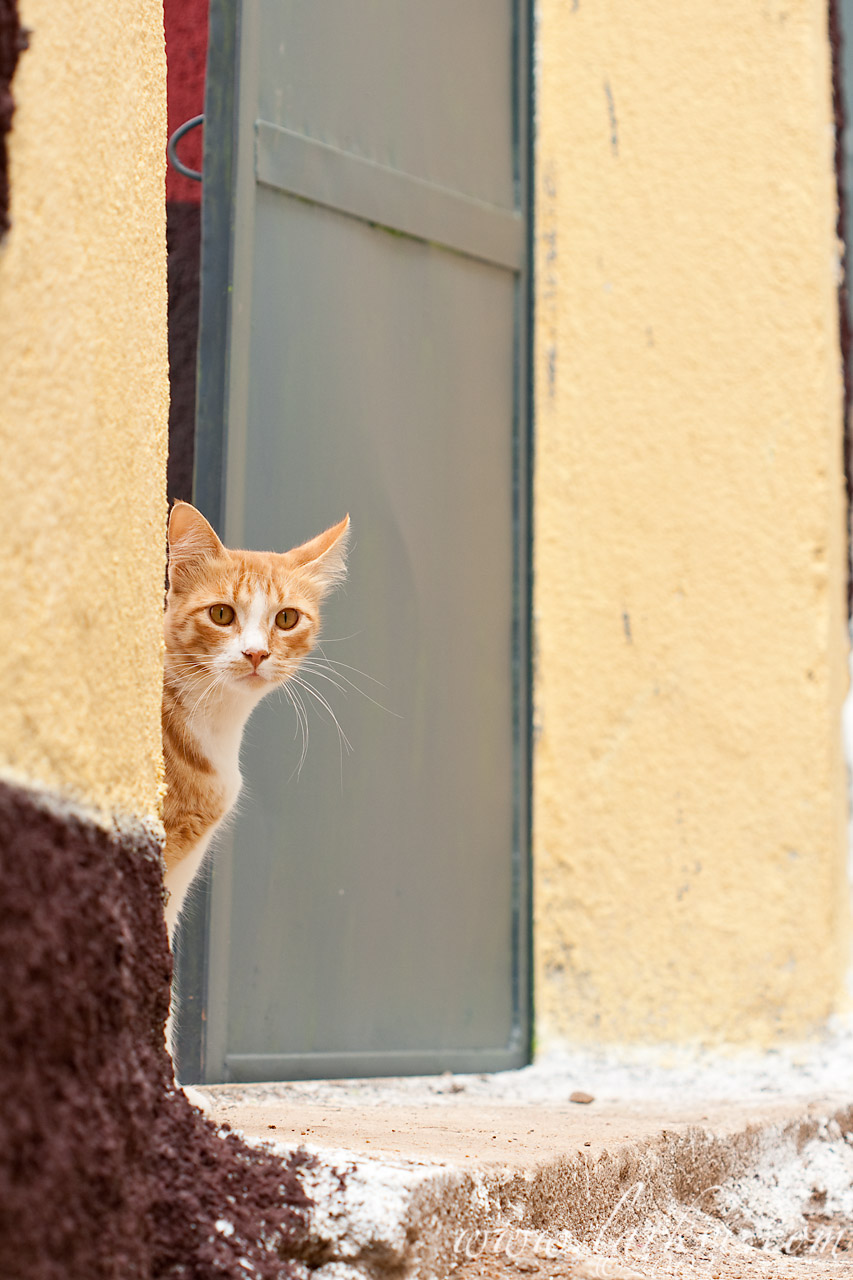
Cat #4(b), Harar, Ethiopia, July 2009

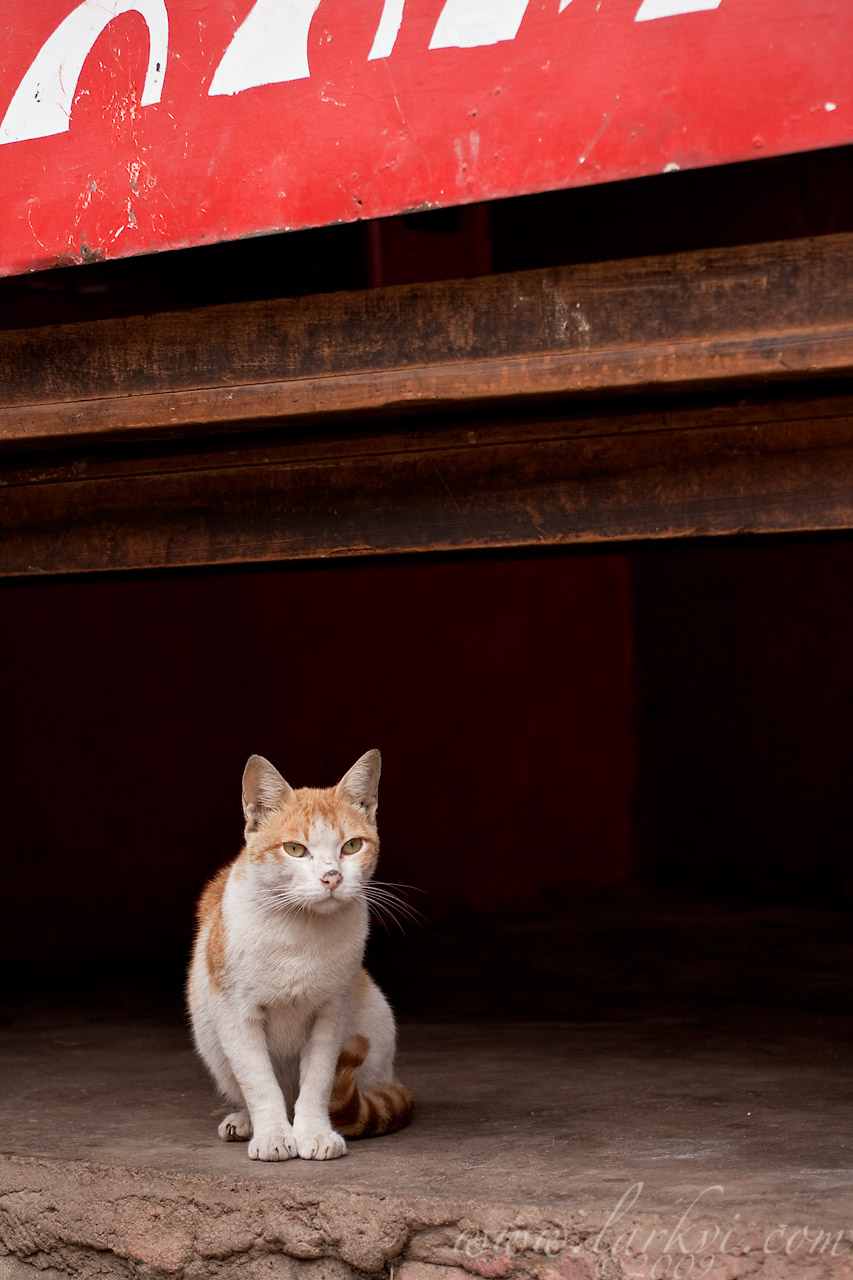
Cat #4(c), Harar, Ethiopia, July 2009

As previously mentioned, Harari houses exist around enclosed courtyards, hidden behind walls. This cat was cautiously watching the street from the safety of an only partly-open door. I was really indecisive today, so you have three variants to choose from!

All this week, I’ll be putting up photos from my series on the cats of Harar–stay tuned!

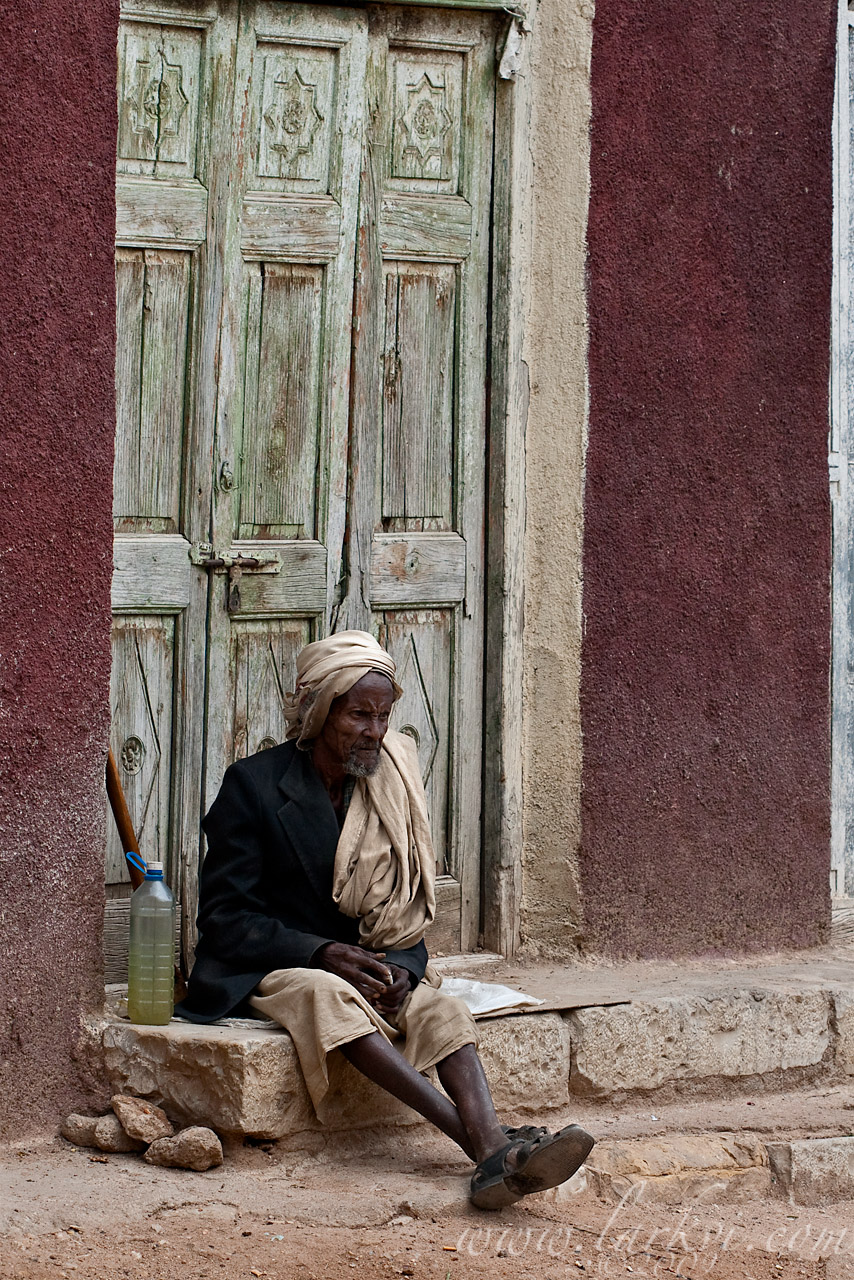
Old Man, Harar, Ethiopia, July 2009

Old Man, Harar, Ethiopia, July 2009

An old man sits in front of a door with Egyptian-style ornaments in Harar. Harar was an independent Moslem Emirate until it was conquered, first by the Egyptians, in 1875, and then the Abyssinian monarchs, shortly after. There are still many remnants of both occupations in the city, and the latter conquest resulted in its decline, as it went from being a prosperous trading city to a remote outpost of a highland Christian empire.

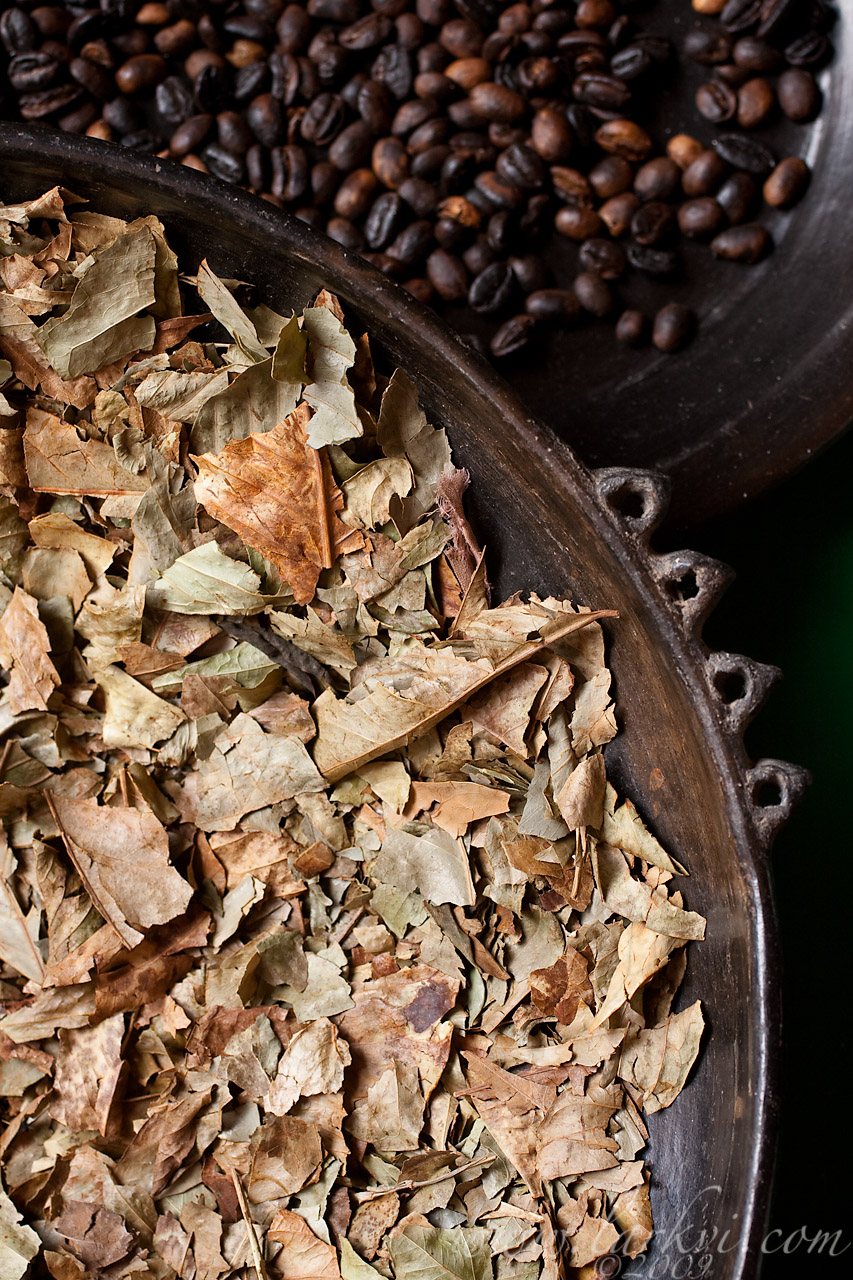
Coffee Leaves and Beans, Harar, Ethiopia, July 2009

Coffee Leaves and Beans, Harar, Ethiopia, July 2009

Q’utti (coffee leaves) for tea, and Harar coffee beans (considered the finest in the world) sit in a display, tempting diners at a restaurant in Harar.

Q’utti is herbal tea-like, with just a touch of coffee and bitterness buried in the back-end of the flavour. In the South of Ethiopiia, it is prepared with salt, but I much prefer it without, and also without sugar.

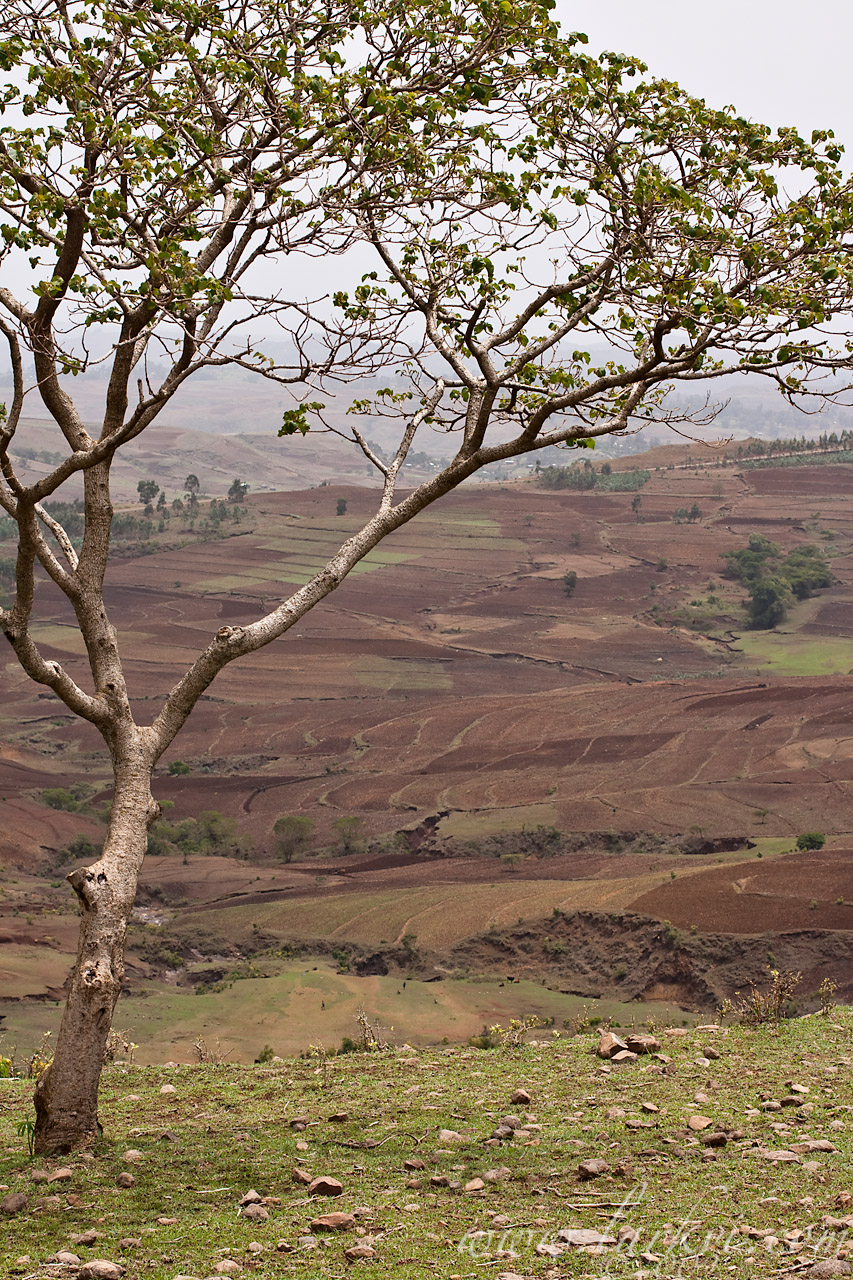
Tree, Gälawdios, Amhara, Ethiopia, July 2009

Tree, Gälawdios, Amhara, Ethiopia, July 2009

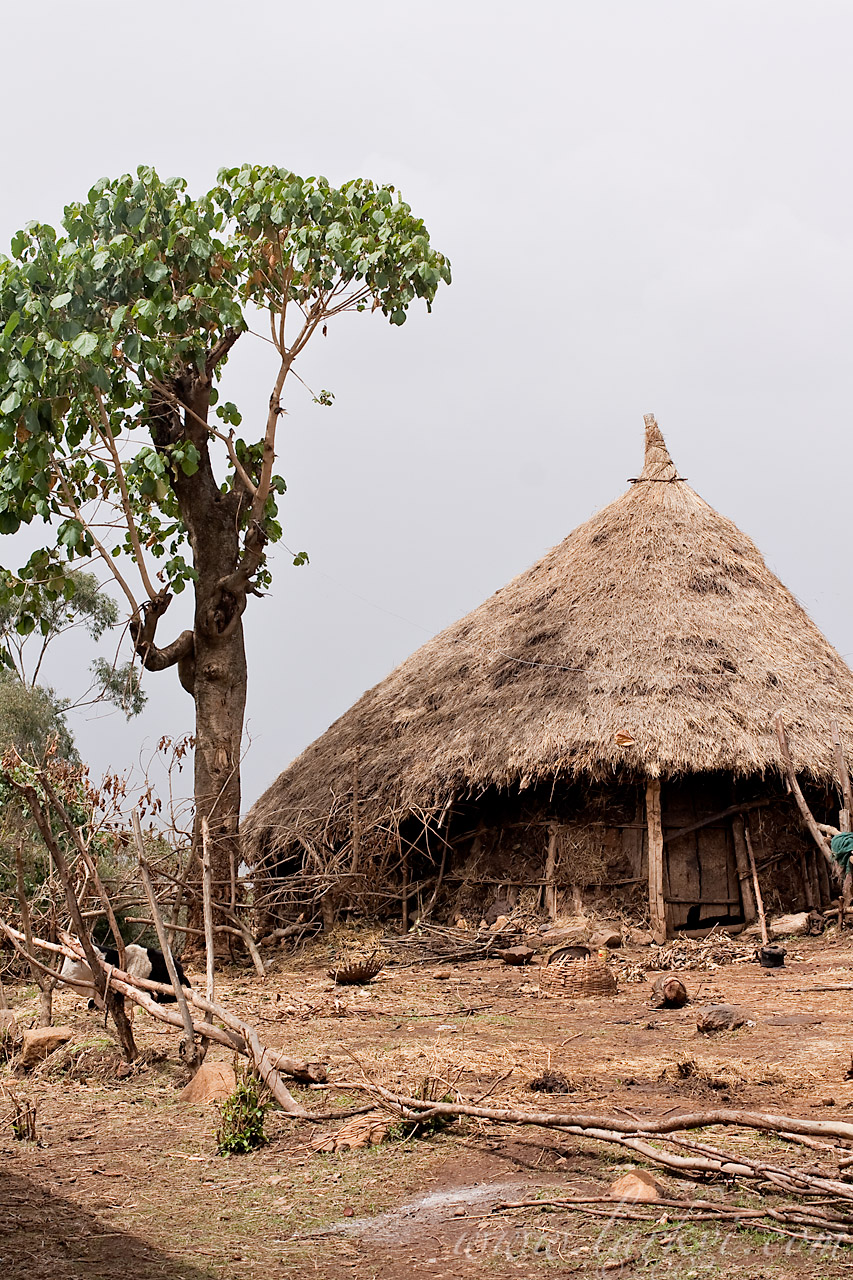
Gälawdious, the village where I have recently been working, is in beautiful agricultural country (though suffering rather from erosion–I better understand now why Lake Tana is such a muddy brown). Here, a view from my walk out to the däbtära (magician’s) cottage.

Shackles, Bahir Dar, Amhara, Ethiopia, July 2009

Shackles, Bahir Dar, Amhara, Ethiopia, July 2009

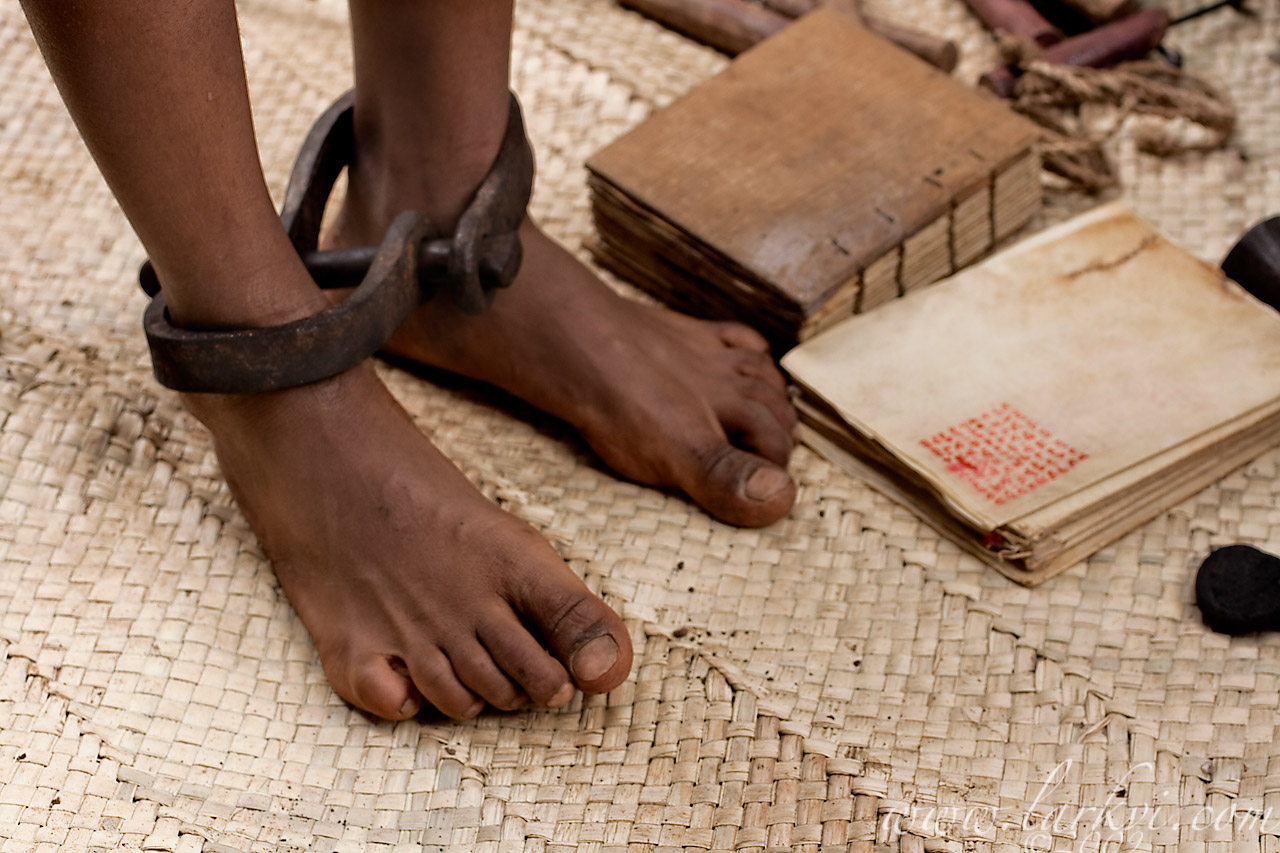
While Kes Felege he was unpacking his scribal and carving tools from a box for our interview, he pulled out a pair of shackles. A bit dumbstruck, I asked him what their relationship to scribing was. As part of the training for his Zema students (and Qene students as well), the students take a psycho-tropic drug, which, when properly combined with fasting and prayer, is supposed to allow them mystical insight and inspire them to poetry. I knew as much before I asked the question. Apparently, the students sometimes take this drug on their own, without the proper training and supervision. To control them while they are in the hallucinogenic state, and as a punishment, the shackles are affixed to the student. Here, the shackles are modeled by one of his woodcarving students, who happened to be at hand.